How UK Roulette Operators Time No-Deposit Bonuses to Match Live Game Rhythms and Compliance Requirements
Cameron Keller · Nov 1, 2026
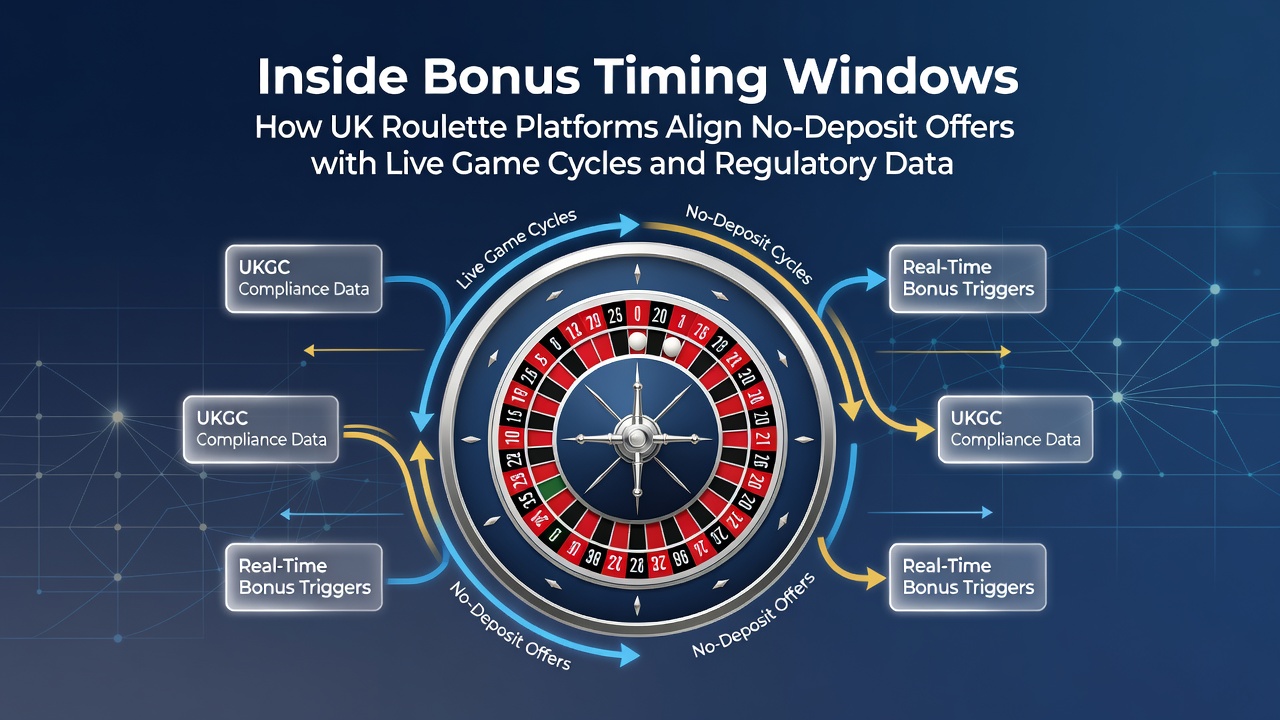
How UK Roulette Operators Time No-Deposit Bonuses to Match Live Game Rhythms and Compliance Requirements
UK roulette platforms coordinate no-deposit offers with live game cycles through precise scheduling that accounts for peak player activity periods, wheel spin frequencies, and regulatory reporting intervals. Operators monitor session data to release bonuses during windows when live dealer tables experience higher engagement rates, which typically occur in evening hours across European time zones. This alignment allows players to enter games at moments when tables show consistent activity levels, and platforms track these patterns using internal analytics systems that draw from historical play volumes.
Mechanics of Bonus Release Windows
Platforms identify timing windows by analyzing live dealer rotation schedules and average spin durations, which often range from 45 to 90 seconds per round during standard sessions. When a no-deposit offer activates, systems automatically adjust the availability period to overlap with these cycles, ensuring the bonus credit remains usable while tables maintain steady momentum. Data from multiple operators shows that bonuses released between 7pm and 11pm GMT coincide with increased table occupancy, and this pattern holds across both desktop and mobile interfaces. Observers note that such coordination relies on automated triggers tied to real-time game logs rather than manual intervention.
Integration with Regulatory Data Streams
Compliance teams integrate bonus timing with external reporting requirements by cross-referencing player activity metrics against quarterly submission deadlines set by various oversight bodies. In November 2026, several platforms updated their internal dashboards to flag bonus activations that fall within 48 hours of scheduled data pulls, reducing discrepancies in reported gross gaming yield figures. According to reports from the International Gaming Standards Association, standardized data protocols help operators maintain consistency when aligning promotional windows with live cycles. This process involves mapping bonus claim timestamps to cycle start points so that any extended sessions triggered by no-deposit credits appear correctly in aggregated compliance records.
Live game cycles themselves follow predictable patterns based on dealer shift changes and table reset intervals, which occur every two to three hours during peak periods. Roulette platforms use these resets as anchor points for bonus launches, allowing players who claim offers to join fresh cycles without interruption from prior session data. Those who study platform behavior observe that early-week releases often pair with slower cycle starts, while weekend activations align with accelerated spin rates driven by higher concurrent users.
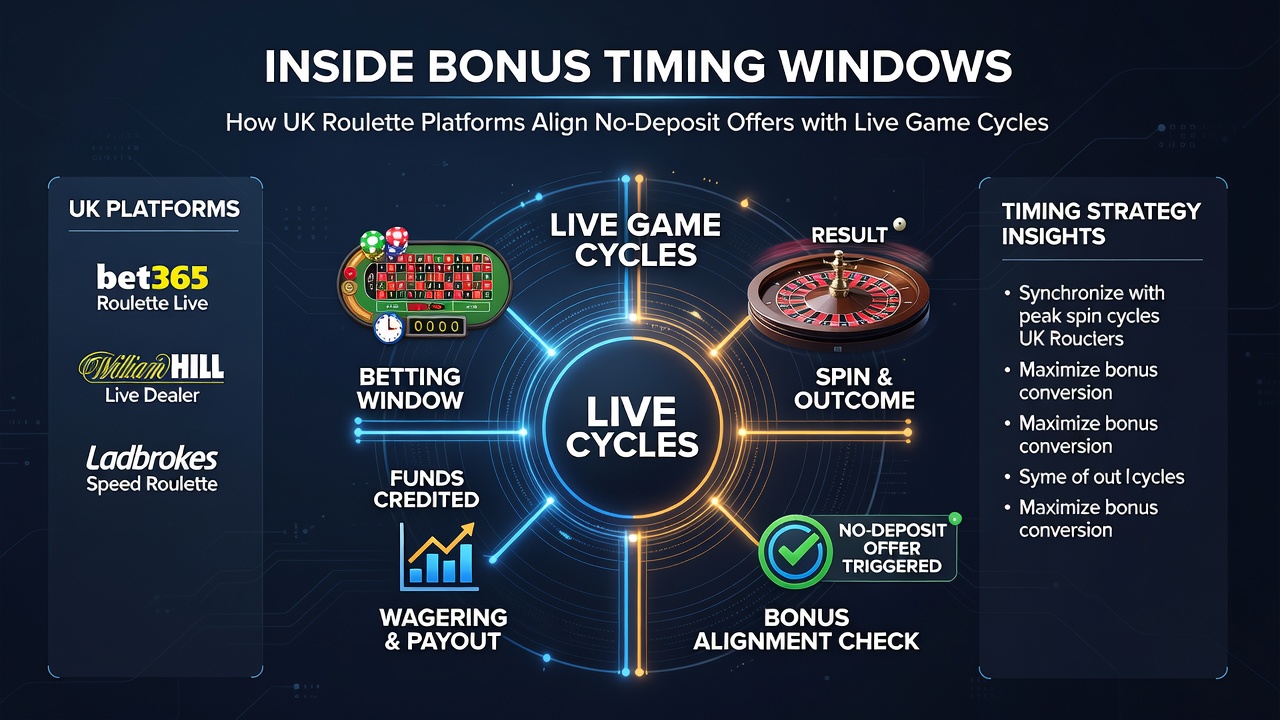
Player Session Extension Through Synchronized Offers
When no-deposit bonuses activate at the start of a live cycle, players gain access to additional rounds that extend their time at the table without requiring immediate deposits. Systems track the number of spins completed during the bonus window and feed this information back into cycle prediction models for future releases. Research from the Australian Gambling Research Centre indicates that synchronized timing can increase average session length by measurable margins when offers coincide with natural game flow peaks. Platforms therefore maintain logs that connect each bonus instance to specific cycle markers, such as dealer announcements or wheel calibration checks, to refine subsequent timing decisions.
Regulatory data also influences these alignments because platforms must demonstrate that promotional activity does not distort reported play volumes. By anchoring bonus releases to verifiable cycle points, operators create audit trails that link promotional credits directly to game events. This method supports transparent reporting while preserving the operational rhythm of live dealer environments.
Conclusion
UK roulette platforms continue to refine bonus timing through detailed mapping of live game cycles and compliance data points. The approach relies on automated systems that match offer activation to established patterns in table activity and reporting schedules. As platforms update their processes in late 2026, the focus remains on maintaining precise coordination between no-deposit offers and the operational realities of live roulette environments.