Aligning Device Gestures with Timed Incentives in Digital Wheel Applications
Cameron Keller · Sep 20, 2026
Aligning Device Gestures with Timed Incentives in Digital Wheel Applications
Core Mechanics of Gesture and Reward Synchronization
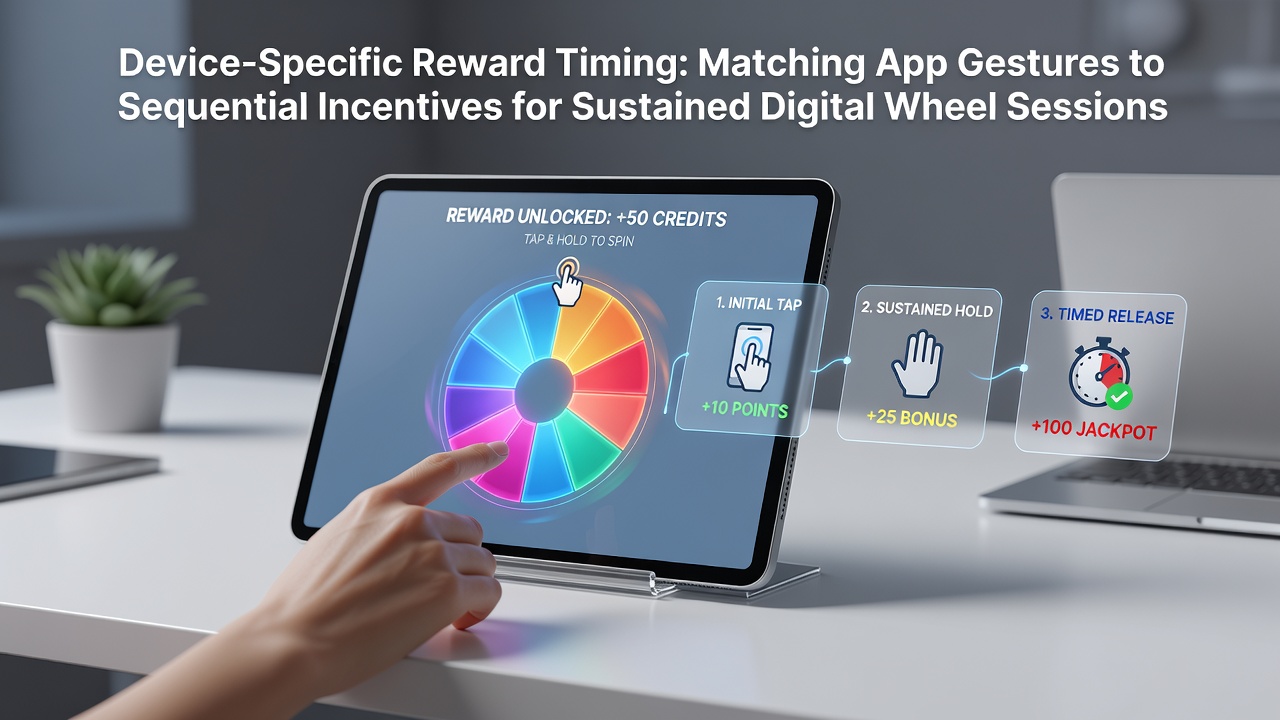
Developers design digital wheel applications to detect specific gestures such as swipes, taps, and tilts on smartphones and tablets then map those actions directly to sequential incentive releases that appear at calculated intervals during play sessions, and this approach relies on device sensors to register movement patterns while backend systems adjust reward timing based on user interaction speed and frequency.
Research from the University of Nevada Reno Gaming Innovation Lab shows that gesture recognition accuracy improves when apps calibrate for hardware differences between iOS and Android platforms, since touch sensitivity and accelerometer readings vary by model, and those adjustments help maintain consistent reward delivery across sessions that can extend beyond thirty minutes when incentives align with natural user rhythms.
Platform Variations in Incentive Delivery
Applications running on iOS devices often incorporate subtle haptic feedback alongside visual cues to signal upcoming rewards, whereas Android versions emphasize customizable gesture libraries that users can adjust through settings menus, and both approaches draw from studies indicating that tailored timing reduces session drop-off rates by matching incentive appearance to the pace of individual play styles.
Data compiled in September 2026 by the North American Gaming Association revealed that sessions incorporating device-specific reward triggers recorded higher average durations on tablets compared with smartphones, because larger screens allow for more precise gesture execution while sequential incentives appear in predictable yet varied patterns that encourage continued interaction without requiring constant manual input.
Sequential Structures and User Retention Patterns
Sequential incentives typically follow a layered model where initial small rewards activate after the first set of gestures, mid-session boosts trigger upon reaching gesture milestones, and extended-play bonuses unlock only after sustained sequences that combine multiple device inputs, and observers note that this structure draws from behavioral data collected across thousands of user accounts.
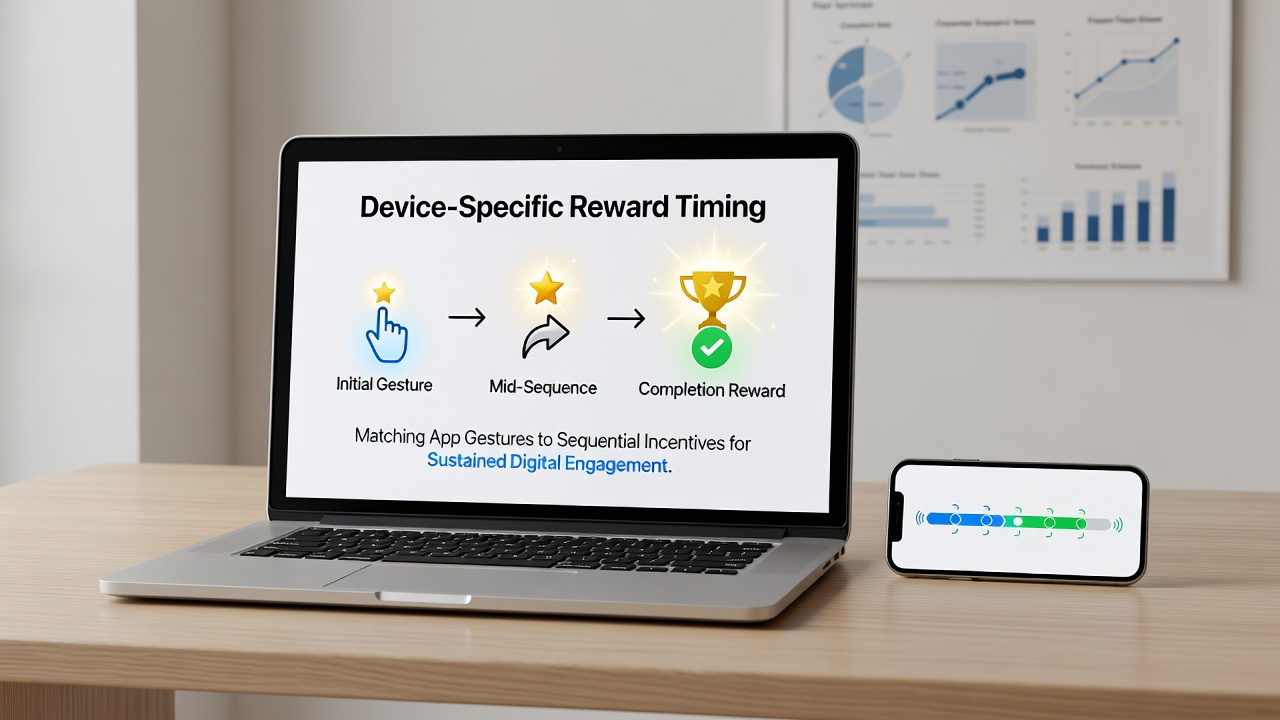
Figures released by the Canadian Centre for Gaming Research indicate that apps using adaptive timing based on gesture velocity retain users 18 percent longer during evening hours, since the system delays or advances rewards depending on whether the player maintains steady interaction or pauses between actions, and this flexibility accommodates different device capabilities without altering the core wheel mechanics.
Technical Implementation Across Hardware
Engineers integrate machine learning models that analyze gesture frequency in real time then predict optimal moments for incentive presentation, and these models account for variations in screen size, processor speed, and operating system version to ensure rewards feel responsive rather than delayed or premature. One case study from an Australian mobile development firm demonstrated that recalibrating timing algorithms for newer foldable devices increased session continuity by aligning reward sequences with the unique multi-touch gestures those screens support.
Industry reports from the European Interactive Software Association further highlight that cross-device testing remains essential, because gesture-to-reward matching that works on flagship phones can falter on older models with less sensitive touch layers, leading developers to maintain separate calibration profiles for each major hardware category.
Conclusion
Device-specific reward timing continues to evolve as app creators refine how gestures trigger sequential incentives in digital wheel environments, and ongoing data collection from regulatory bodies and research institutions supports adjustments that keep sessions active across diverse hardware. Those implementing these systems focus on measurable interaction metrics rather than uniform approaches, which allows reward sequences to adapt while preserving the core experience of the wheel interface.